Driving in Dubai becomes easier when you separate the road journey from the arrangements at each end. Your route may cross a toll gate, your destination may use private parking, and the rental supplier may bill some charges later. None of those systems replaces the others. Vrenty Car's guide explains how to plan a trip without relying on an old tariff table or assuming that a rental payment includes every road cost. Compare Dubai car rental with your actual itinerary, parking needs and permitted driving area in mind.
Going beyond Dubai changes the toll and parking checks
For a Dubai to Abu Dhabi day trip, add Darb and Mawaqif to the plan. Darb uses vehicle-plate recognition, and its current operator guidance distinguishes peak-period gates from Al Qurm and Ghantout, which operate every day around the clock. A familiar Dubai Salik arrangement does not by itself confirm the rental's Abu Dhabi registration or billing. Confirm the supplier's setup before departure and read the sign at each destination's parking facility. The route guide connects those checks with mileage, visitor access and the return drive, so an inter-emirate outing does not rely on an old city-only parking assumption.
Prepare the first route before entering traffic
Dubai traffic travels on the right. Before moving, adjust the seat, mirrors and navigation, identify the controls and check that the destination is the correct vehicle entrance. Large developments may have separate entrances for guests, deliveries, parking and pedestrians. A pin at the centre of a building can be useful for recognising the destination while being unhelpful for the final approach. Ask the hotel or venue for its driving entrance when the map is ambiguous.
Review the broad route while stationary so an unexpected instruction does not demand all your attention. Follow road signs and current restrictions over a navigation suggestion. If you miss an exit, continue safely and let the route recalculate. Do not stop on a live lane, reverse or cut across lanes to rescue the original plan. An extra loop is inconvenient; a sudden manoeuvre can create a much larger problem.
Read speed limits and lane instructions where you are
Use posted limits and lane markings rather than an assumed allowance above the limit. Conditions can change between roads and emirates. Keep a safe following distance, give yourself time to move into the correct lane and avoid responding to pressure from another driver with a hurried manoeuvre. Set the phone where navigation can be heard without handling it, and make route changes only when safely parked or through a passenger.
Plan the journey around the driver's state as well as the map. A late flight, a long attraction day or an early fishing departure can leave someone too tired for an unfamiliar motorway. Build a break or use another transport option when necessary. Do not drive after drinking alcohol or when medication affects your ability to drive. If there is uncertainty about a medicine, ask a qualified professional before the trip.
Salik is a road-toll system
Salik is barrier-free: continue through its gates in accordance with road signs rather than looking for a cash booth. Its published variable schedule distinguishes morning and evening peak periods, off-peak travel and overnight hours, with separate Sunday and special-calendar treatment. Business Bay Crossing on Al Khail Road and Al Safa South on Sheikh Zayed Road are examples of gates that make older route assumptions unreliable. Check the current route and schedule instead of treating one remembered crossing charge as universal.
A further billing distinction took effect on 1 June 2026: Salik's issuer disclosure confirms five percent VAT on toll tariffs and tag activation. A historical base-tariff table therefore does not describe the complete current charge. Keep the authority tariff, its applicable tax and any supplier administration fee separate. No fixed rental administration amount is assumed here. Ask the supplier how the vehicle's crossings are passed on to your account; do not buy or attach another tag without its instruction.
A route that avoids a toll may add distance, fuel, traffic or difficult junctions. Compare the whole journey rather than treating every gate as something to avoid. A navigation app's toll estimate may not include the supplier's billing method or other road costs. Keep the car's plate and rental period in your records, then ask for an itemised statement if the final toll total needs explanation.
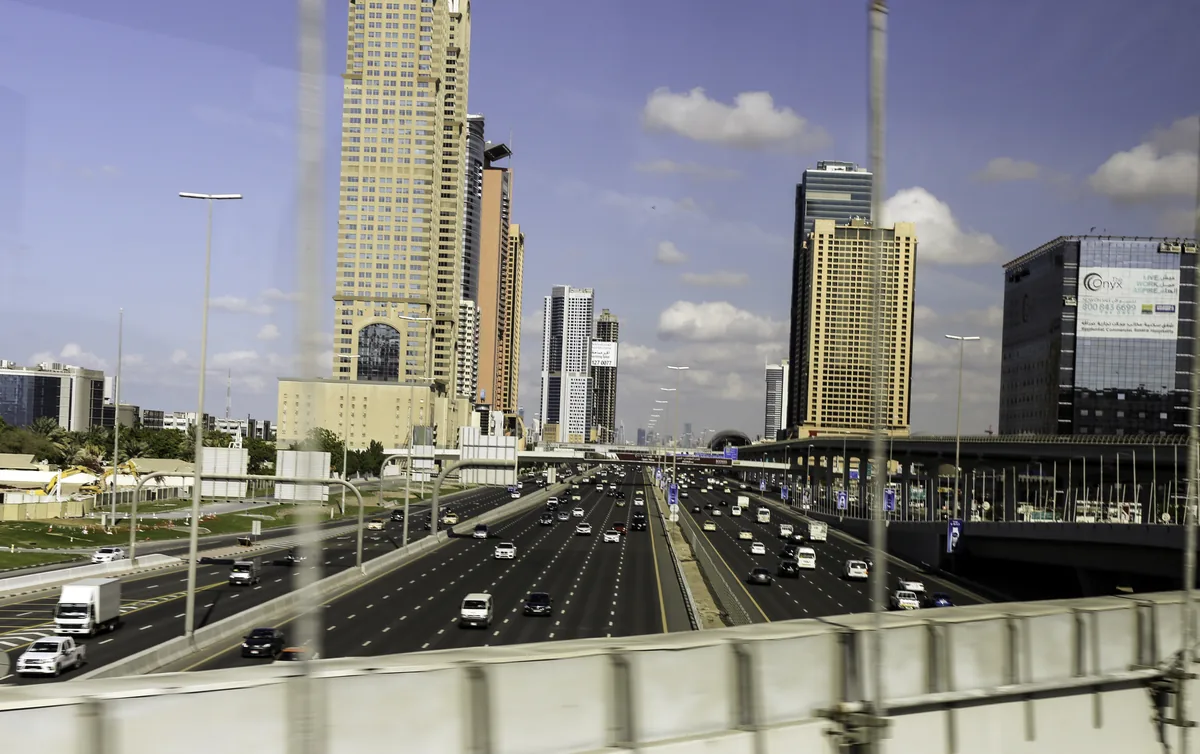
Public parking starts with the sign beside the space
Check the zone code, permitted duration and payment instructions at the place you actually park. Different areas and facility types can have different rules. Parkin's payment flow asks for a parking zone and a vehicle, so accuracy in both is important. A payment attached to the wrong plate or zone may not cover the space occupied by your rental. Read the complete plate information from the vehicle rather than typing from memory.
Confirm that payment succeeded before leaving. A bank notification or a screen that is still loading may not be the parking confirmation. Save the receipt or session record and set a reminder early enough to return or extend where extension is permitted. Do not assume that purchasing a future parking session reserves a physical space; Parkin explicitly distinguishes scheduling payment from guaranteeing availability on arrival.
Private parking can use a different payment route
Malls, hotels, attractions and residential buildings may operate their own parking arrangements. Some use tickets, some recognise number plates and some route charges through an existing account. Read the entrance terms and ask how the rental supplier handles automatic charges. A public parking payment made elsewhere does not pay for a private facility, and a valid hotel parking arrangement does not cover an unrelated visitor car park.
Dubai Mall is an important example for visitors heading to Burj Khalifa. Its official terms describe Salik-linked charging in specified parking areas, with different arrangements for other areas. Check the current zone and duration rules directly rather than assuming that all mall parking is free. Our Burj Khalifa visit guide explains why reaching the car park and reaching the observation-deck entrance need separate time allowances.
Treat valet parking as a distinct service
A valet desk can be convenient when unloading passengers, but check whether valet use is permitted by the rental arrangement and what the venue charges. Keep the receipt or claim token and note the vehicle condition before handing over the keys. Remove valuables and retain the documents you need during the visit. Do not confuse a general hotel valet with an authorised rental return representative.
Ask where the car will be stored, how retrieval works and whether there are closing hours that affect your plans. If a mobility aid or child restraint is needed immediately at collection, explain that before the car is moved. When a venue provides both self-parking and valet, compare the actual walking route, retrieval delay and terms. The nearest-looking option is not always the most practical for your group.
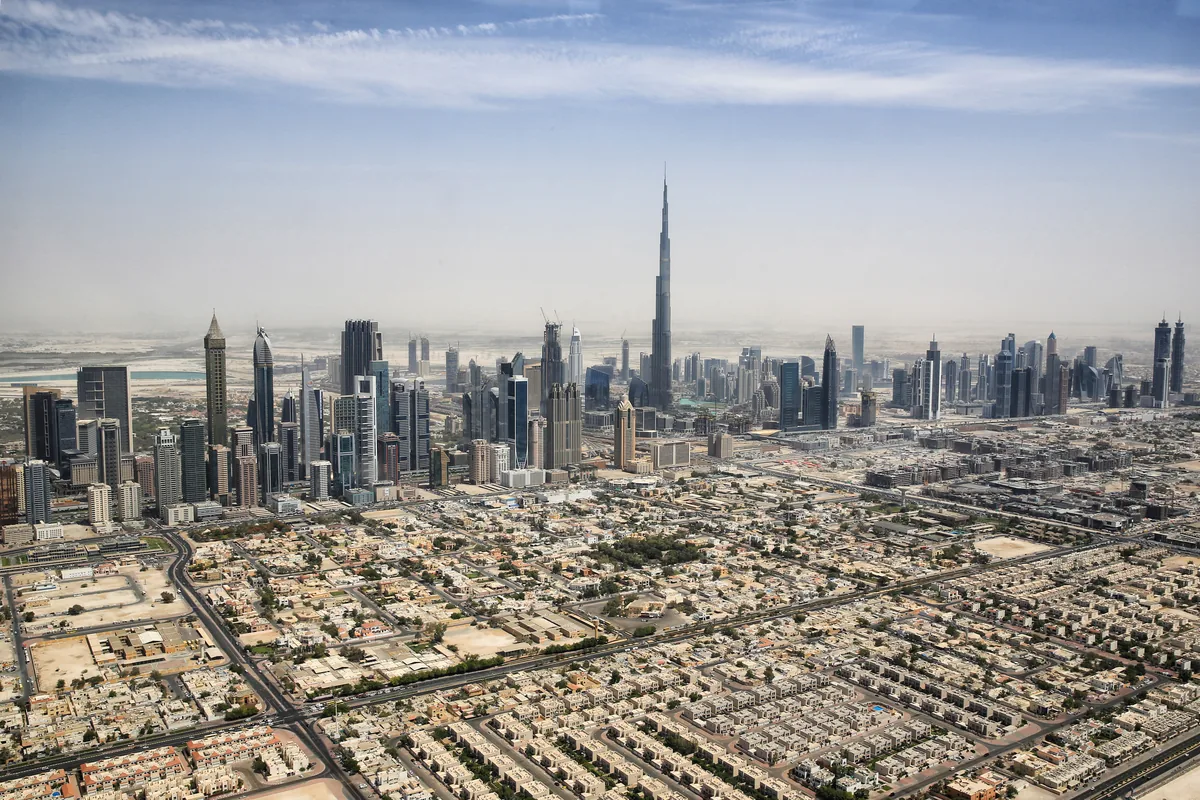
Make a parking plan for timed attractions
Work backwards from the attraction's check-in requirement. Add the drive, possible entrance queues, space search, walking route, security and any ticket exchange. A reservation time is rarely the correct time to arrive at the car-park barrier. Save the parking level and a nearby sign when leaving the car, especially in a large mall. Keep the route back manageable for children or anyone whose energy will be lower after the visit.
For a marina departure, parking near the waterfront is not enough: find the correct berth or operator meeting point and the pedestrian route to it. Our Dubai Marina cruises guide helps distinguish the district from the departure gate. If a route looks short on the map but includes steps, bridges or a long promenade, ask the operator about an appropriate drop-off and accessible approach before relying on it.
Choose a car for the spaces you will use
A larger car can improve luggage capacity or passenger access, but it also changes manoeuvring and parking clearance. Check height restrictions before entering a garage, particularly with unusual equipment. Learn the car's width and turning behaviour in a calm setting. Parking cameras and sensors can help, but they do not replace looking for kerbs, pillars, low obstacles or pedestrians. Ask the representative to explain unfamiliar controls at collection.
For families, think about door opening and loading space as well as the number of seats. A narrow bay may make fitting a child restraint or transferring a passenger difficult. Choose an authorised space that allows safe movement, and use a designated drop-off where appropriate rather than blocking the access lane. Pushchairs, restraints and passenger needs should all influence the vehicle choice before you commit to a larger car.
Keep the rental on permitted roads
The checked Localrent UAE conditions allow paved public roads and prohibit unpaved use and border crossings. This applies even to an SUV with four-wheel drive. A map may route to a desert camp, scenic point or accommodation over a final unpaved stretch; verify that approach before departure. If it conflicts with the rental terms, arrange a permitted parking point and a transfer with the destination operator.
A road trip to Hatta is not permission for mountain tracks, and a safari booking is not permission to follow a guide's vehicle onto dunes in your rental. Use the Dubai to Hatta driving guide to plan an appropriate paved outing. Do not enter floodwater, a closed road or a restricted area to keep a schedule. Follow official warnings and change the destination when the route is unsuitable.
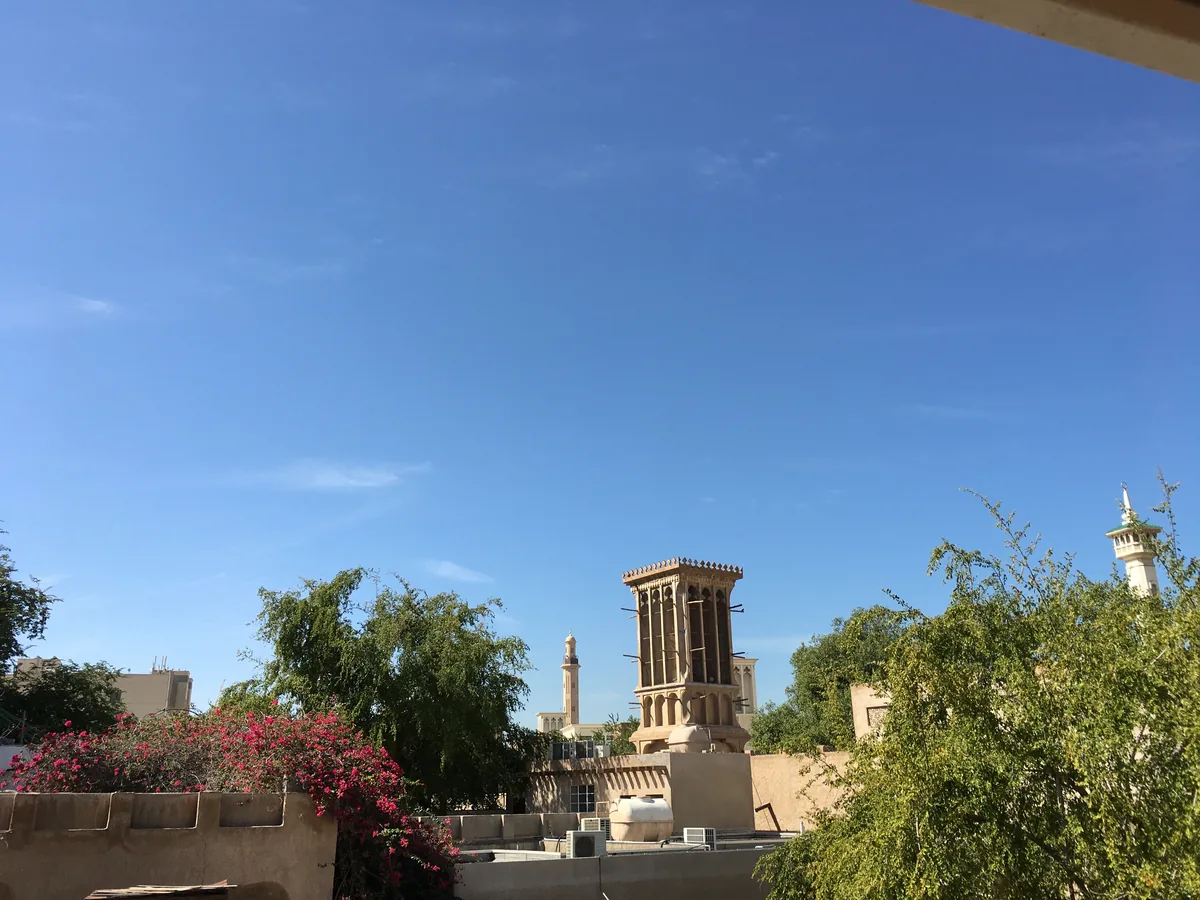
Handle rain, fog and poor visibility conservatively
Check official weather and road information before a longer drive. Reduce the day's ambitions when visibility or surface conditions make the planned journey difficult. Leave a larger margin, use the appropriate lights and avoid abrupt braking or lane changes. Do not treat a clear forecast for your hotel as proof that conditions are identical along a route into another emirate or the mountains.
If conditions deteriorate, look for a safe lawful place to stop rather than stopping on a live road or an exposed shoulder without necessity. Keep fuel and phone charge adequate for a changed route. Ask the supplier for assistance when the vehicle develops a problem, and follow local emergency instructions if there is danger. An attraction booking does not justify driving through water or around a closure.
Know what to do after damage or a breakdown
Protect people first, then contact the supplier through the verified assistance number. Explain the location, vehicle and nature of the problem. Ask which police report or other documentation is required under the rental and protection terms. Localrent's UAE conditions make prompt notification and the required incident record important. Do not authorise a repair, towing service or replacement payment without the supplier's instruction unless an immediate safety requirement takes precedence.
Take useful photographs when it is safe and lawful, and keep the sequence of messages and reports. Record facts rather than guessing responsibility. A warning light, damaged tyre or minor collision can affect whether the car remains safe to use. Do not continue merely because you are close to the hotel. The supplier needs an opportunity to direct recovery, inspection or replacement according to the agreement.
Reconcile road charges after return
Keep direct parking receipts and the rental return record until the final account is clear. If the supplier sends later charges, ask for the date, location, plate and breakdown between the underlying charge and any administration. Compare the event with your actual rental period. A charge reported after return may relate to an earlier journey, so the reporting date alone does not establish whether it is valid.
If you paid a private parking charge directly, provide the receipt when querying an apparent duplicate. Use the supplier's documented process for disputes and keep communication factual. Do not assume a no-deposit rental cannot generate later charges, or that a returned deposit proves no later charge can arise. Vrenty Car provides planning information; the supplier's agreement and the relevant road or parking authority establish the applicable transaction.
Questions & answers
Does paying Salik cover parking?
A road-toll crossing and a parking stay are separate events. Some private facilities use Salik-linked billing, but that does not make all parking part of the road toll. Read the facility's terms and ask the rental supplier how each type of charge is passed on.
Should I register the rental in my own toll account?
Do not make account or tag changes without the supplier's instruction. First confirm that the vehicle is ready for the permitted route and ask how charges are collected. Keep your rental period and plate details so you can check the later statement.
Can I use a navigation shortcut across a sandy area?
No. The checked rental conditions prohibit unpaved driving. Navigation is not contractual permission or proof that a route is suitable. Stay on permitted paved roads and arrange an operator transfer when the last section to an activity is unsuitable.
What if I cannot find parking before a timed visit?
Use an authorised alternative or contact the venue about your arrival rather than stopping illegally. Build this possibility into the schedule before leaving. For a time-critical cruise or entry slot, a taxi or public transport may be a better choice than a car.